
As cranes roll onto Hobyo’s coastline, Somalia pushes ahead with a strategically placed seaport meant to ease port congestion, court Ethiopian trade and reassert control over its long-neglected shores.Project officials say construction of Somalia‘s Hobyo seaport is advancing despite geopolitical tensions, security concerns and fierce competition among regional ports across the Horn of Africa. Heavy equipment …
Somalia: Hobyo port advances amid security risks and Ethiopia trade scramble
As cranes roll onto Hobyo’s coastline, Somalia pushes ahead with a strategically placed seaport meant to ease port congestion, court Ethiopian trade and reassert control over its long-neglected shores.
Project officials say construction of Somalia‘s Hobyo seaport is advancing despite geopolitical tensions, security concerns and fierce competition among regional ports across the Horn of Africa. Heavy equipment and core construction materials have been delivered to the site, with cranes and excavators operating along Hobyo’s central coastline, a visible shift from blueprint to build phase.
The progress is notable in a country where infrastructure gaps, security risks and political uncertainty have often stalled major projects.
“I can confirm that the project is proceeding on schedule,” Hobyo Investment Company’s (HICO) Abdirisak Mohamed tells The Africa Report. “All necessary materials and equipment have arrived at the construction site and our dedicated team is working diligently around the clock to advance the construction.”
HICO holds a 70% stake in the development, partnering with Metag Holding, a Turkish-owned construction firm that controls the remaining 30% and oversees the technical aspects of the project, a structure combining local capital with foreign engineering expertise.
A strategic bet on Ethiopia and the Red Sea corridor
Supporters say Hobyo could redraw Somalia’s maritime map, easing pressure on overstretched ports and opening new trade corridors across the Horn of Africa. Rather than competing directly with facilities in Mogadishu, Bosaso and Berbera, the new port is expected to complement them, expanding overall capacity as cargo volumes grow and regional trade intensifies.
“Hobyo seaport is strategically important not only for Galmudug State but also for relieving pressure on other overwhelmed ports and serving neighbouring countries like Ethiopia,” says Mohamed.
Hobyo … offers an additional corridor to the sea that reduces reliance on a single port
Landlocked Ethiopia depends heavily on Djibouti for maritime access. Analysts say Hobyo’s location along Somalia’s central coast could offer Addis Ababa an alternative corridor, potentially lowering transport costs and reducing reliance on a single port gateway.
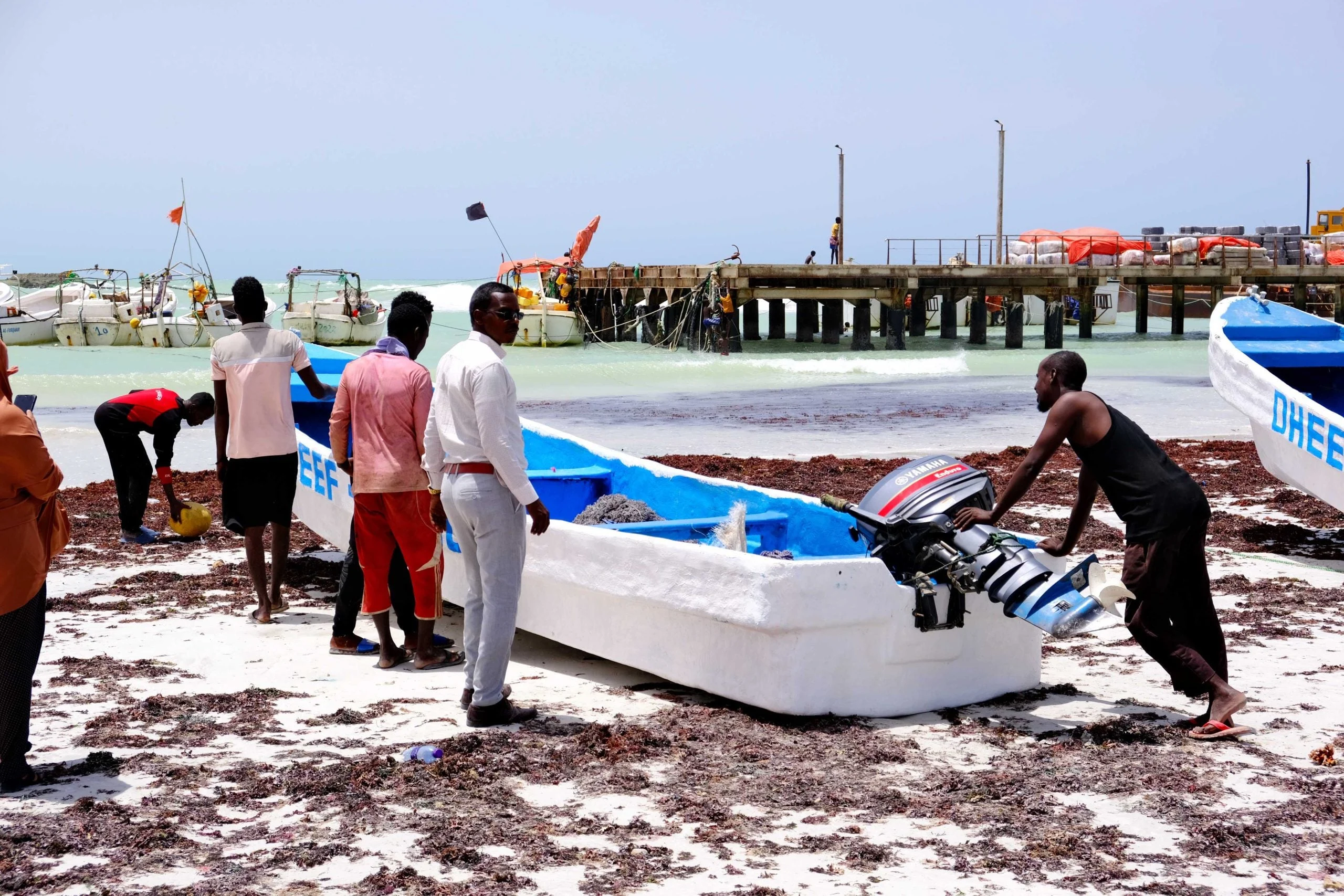
Hobyo’s historical role as a trading hub strengthens its modern appeal. For centuries, it operated as a natural anchorage linking Somalia with Yemen and wider regional markets. Smaller vessels transported goods between offshore ships and coastal traders, sustaining commerce long before formal port infrastructure existed.
Yahye Amir, an economist and regional analyst, says Hobyo once served as a commercial lifeline for central Somalia, importing essential goods from Yemen and exporting local produce in return. “I remember growing up here when Hobyo served as an artificial port bringing goods from Yemen. Even without modern infrastructure, it was a lifeline for central Somalia.”
Developers aim to transform that legacy into a modern deep-water facility capable of handling containerised cargo and bulk shipments, potentially stimulating economic activity across Galmudug.
Abdiwahab Sheikh Abdisamad, the executive director of the Institute for Horn of Africa Strategic Studies, describes Hobyo as a geopolitical pivot point. “Hobyo is where geography meets power because it sits on critical Indian Ocean routes and gives Somalia strategic control over along-neglected coastline.”
Abdisamad tells The Africa Report that Ethiopia’s heavy dependence on Djibouti makes alternative gateways increasingly attractive. “Hobyo is closer to Ethiopia’s Somali Regional State, more cost-effective in transport terms, and offers an additional corridor to the sea that reduces reliance on a single port.”
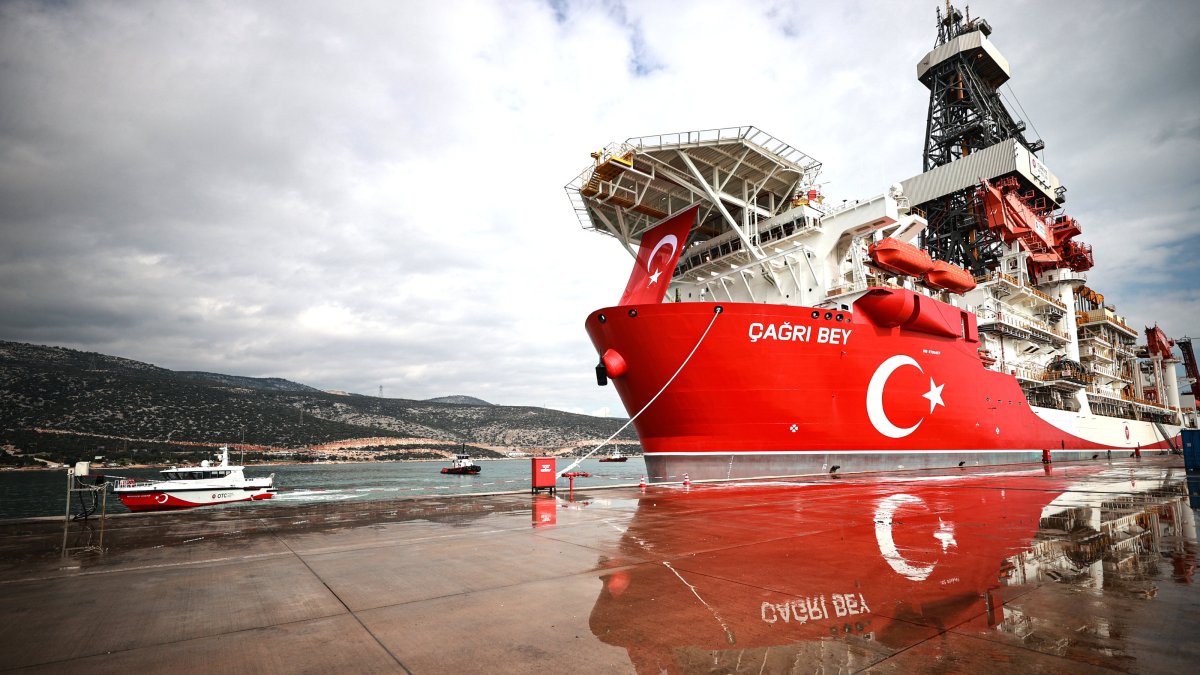
He says the project’s ambitions extend beyond cargo handling. “This is not just about containers.” With Turkish firms exploring offshore oil and gas blocks near Hobyo, he adds, the port could anchor a future energy corridor, evolving into an integrated petro-logistics hub with significant regional influence.
A crowded and contested coastline
But optimism is tempered by risk. Major infrastructure projects in Somalia rarely unfold without political friction. Analysts warn that any port capable of redirecting trade flows, particularly Ethiopian cargo, inevitably threatens established interests.
“Any project that shifts long-standing trade routes creates enemies,” Abdisamad warns. “Hobyo challenges existing port monopolies and the political leverage that comes with them.” Somalia’s internal instability, he adds, could further complicate progress. “Hobyo changes the map, and those who benefit from the old map are not eager to see it redrawn.”
Omar Mahmood, senior analyst for Somalia and the Horn at International Crisis Group, situates Hobyo within a broader interest along Somalia’s 3,000km coastline. “There is a scramble to develop ports in Somalia to take advantage of its exceptionally long coastline astride important maritime passageways and its potential to connect to wider markets such as Ethiopia.”
Developers and their financial backers, he adds, are betting that security and political risks will become manageable over time. However, competition can fuel tension. Each port project strengthens certain local and foreign actors while sidelining others. That rivalry, Mahmood says, is pushing multiple players to accelerate projects to avoid being locked out of future Ethiopian trade flows.
Piracy’s long shadow
Security remains a lingering concern. Hobyo sits in waters once synonymous with Somali piracy, which peaked between 2008 and 2012.
Without strong protection measures, investors and shipping lines will remain cautious
Political analyst Abdinasir Idle cautions that while piracy has declined significantly, isolated hijackings still occur. He recalls the 2008 seizure of a Ukrainian vessel carrying weapons, one of the most notorious cases of the era.
“As much as we want the project to succeed, obstacles could emerge due to the pressure from notorious pirates who have operated in the area for years,” Idle warns. “Without strong protection measures, investors and shipping lines will remain cautious.”
Continued investment in coastal surveillance and naval coordination will be essential if Hobyo is to attract major international shipping companies, he says.
This article was originally published on theafricareport.